
Shamanic Practices and Their Connection to the Naturist Community
- Admin

- Feb 18
- 3 min read
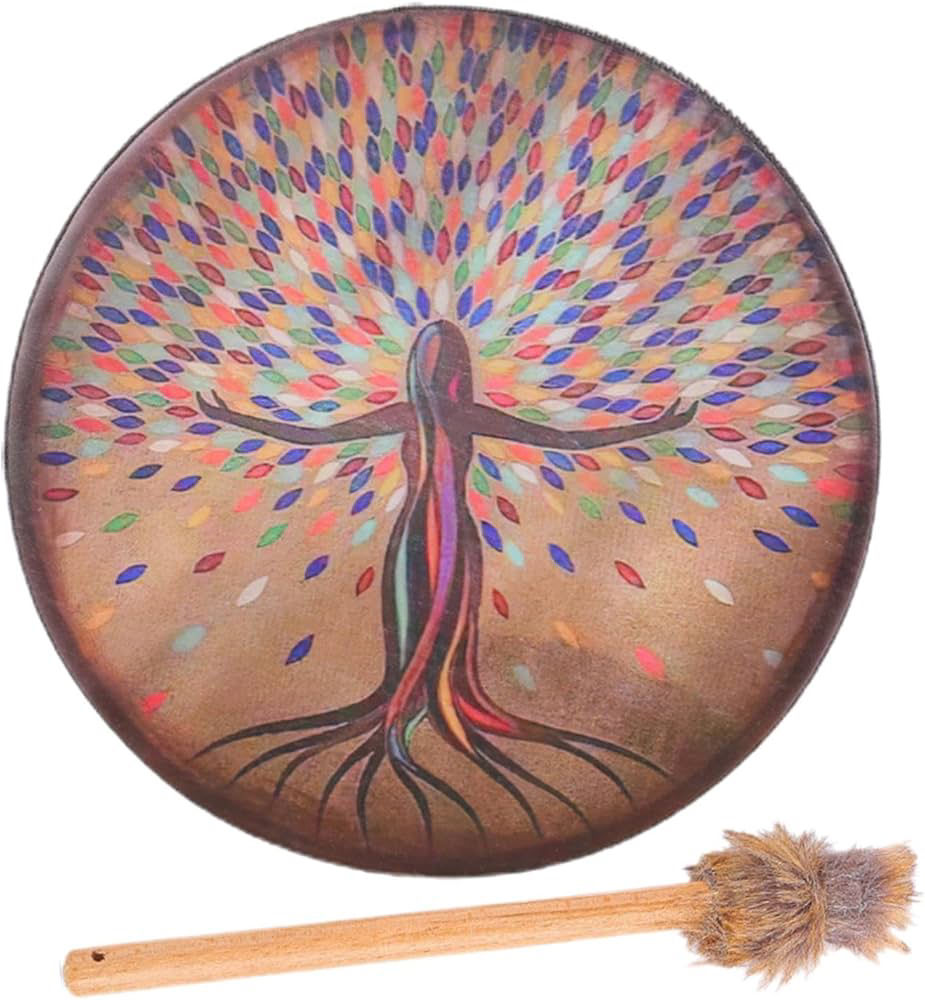
Across cultures and centuries, shamanic traditions have centred on one profound idea: human beings are not separate from nature, but deeply woven into it. In many ways, this worldview resonates strongly with the philosophy of modern naturism — a lifestyle rooted in non-sexual social nudity, body acceptance, and harmonious living within the natural world.
While naturism is not inherently spiritual and shamanism is not inherently about nudity, the two share philosophical ground in their reverence for the earth, the body, and authentic living.
What Are Shamanic Practices?
Shamanism is often described as one of humanity’s oldest spiritual frameworks. Though it appears in many forms across different cultures — from the Sámi of Northern Europe to Indigenous traditions of the Americas and Central Asia — its core elements are similar:
A belief in the interconnectedness of all life
Communication with the spirit world or unseen realms
Ritual practices involving drumming, chanting, or journeying
Healing work focused on restoring balance between person, community, and environment
The term “shaman” itself is commonly associated with Siberian traditions, but shamanic roles appear globally in various forms. These practitioners often serve as healers, guides, and mediators between human communities and the natural or spiritual realms.
At its heart, shamanism emphasises balance — between body and spirit, human and earth, individual and tribe.
Naturism’s Core Philosophy
Naturism is a social movement based on non-sexual nudity, body acceptance, and living in harmony with nature. It promotes equality, mutual respect, and psychological wellbeing by removing artificial barriers — literally and symbolically.
For many naturists, being unclothed outdoors fosters a direct, embodied relationship with the elements: sun on skin, earth underfoot, wind across the body. This sensory immersion can create feelings of grounding, liberation, and belonging within the natural world.
Though naturism is not a religion, it often carries a quiet spiritual dimension for those who experience profound connection through simplicity and openness.
Points of Connection Between Shamanism and Naturism
1. Reconnection with Nature
Shamanic traditions view the natural world as alive and sacred — not merely a resource to exploit. Similarly, naturism encourages respectful engagement with nature and promotes environmental awareness.
Both perspectives invite people to see themselves as part of the ecosystem rather than separate from it. The removal of clothing in naturism can symbolise shedding modern detachment and returning to a more primal awareness of one’s place in the natural order.
2. Embodiment and Acceptance
Shamanic healing often involves reclaiming parts of oneself — emotionally, spiritually, and physically. The body is not rejected but honoured as a vessel of life force.
Naturism echoes this respect for the body. By normalising diverse, real bodies outside of commercialised standards, naturism cultivates self-acceptance. In both traditions, the body is not an object of shame but a sacred, natural expression of life.
3. Ritual and Community
Many shamanic practices are communal — involving shared ceremony, drumming circles, or seasonal observances. Community plays a central role in healing and belonging.
Naturist gatherings, festivals, and shared spaces similarly foster collective experience. While not ritualistic in a religious sense, they can carry a ceremonial quality — people coming together in openness, trust, and mutual respect.
Both contexts emphasise safeguarding, consent, and shared responsibility within the group — essential for maintaining safe and respectful environments.
4. Shedding Social Masks
Shamanic traditions often involve symbolic death and rebirth — the shedding of old identities to rediscover authentic selfhood.
Naturism’s shedding of clothing can mirror this symbolic release. Without uniforms, fashion markers, or status symbols, individuals meet one another more equally. The act can represent a stripping away of ego, comparison, and societal expectations.
Important Distinctions
It is essential not to conflate or appropriate Indigenous spiritual traditions. Shamanism belongs to specific cultures with deep histories and sacred contexts. Modern Western adaptations often simplify or reinterpret these traditions, sometimes controversially.
Naturist communities should approach any spiritual integration thoughtfully, respectfully, and without claiming cultural ownership. Not all naturists are spiritual, and not all spiritual practitioners are naturists.
Consent, cultural sensitivity, and safeguarding remain central in both spaces.
A Shared Ethos of Balance
At their core, both shamanic worldviews and naturist philosophy point toward balance:
Balance between human life and the environment
Balance between body and self-image
Balance between individuality and community
In a modern world that often fragments people from their bodies and from nature, both traditions offer pathways back to integration.
Conclusion
Shamanic practices and naturism arise from different origins, yet they intersect in meaningful ways through shared values of connection, embodiment, and respect for the natural world.
Neither requires the other. But for some individuals, naturism may deepen their spiritual awareness, and shamanic-inspired perspectives may enrich their experience of being fully present in their bodies and in nature.
Ultimately, both traditions invite a simple but profound question:
What happens when we remember that we belong — to ourselves, to each other, and to the earth?


