

Women in Naturism: Understanding the Imbalance and Building a More Inclusive Future in Wales
- Adam (admin)

- Feb 15
- 4 min read
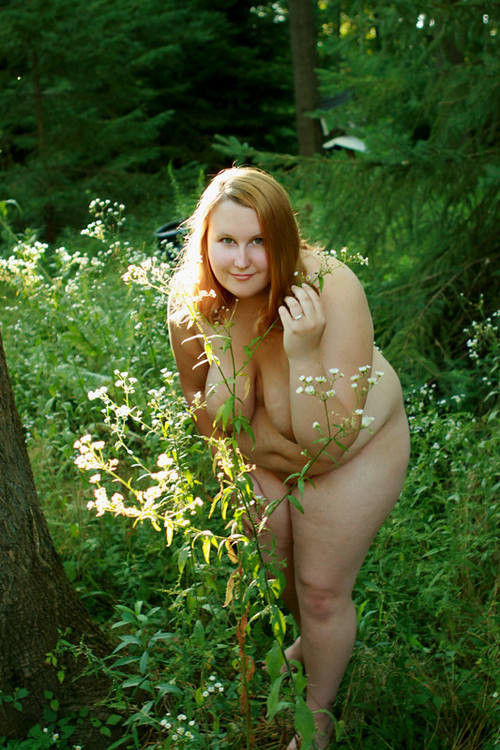
Naturism is grounded in ideals of equality, body acceptance, and freedom of expression. Yet across the UK—and internationally—women are often underrepresented in naturist spaces compared to men. Understanding why this imbalance exists is essential if the movement is to fully embody its values. In Wales, where naturism continues to grow within a culture that values community and inclusion, there is a meaningful opportunity to create a model of participation that better supports and empowers women.
This article explores the social factors behind women’s minority participation, proposes an ideology for meaningful change, and highlights why more women may find naturism in Wales both liberating and affirming.
Why Are Women in the Minority?
The underrepresentation of women in naturism does not reflect a lack of interest in body positivity or freedom. Rather, it is influenced by broader social dynamics.
1. Cultural Pressures and Body Image
Women often face more intense scrutiny about their appearance. From media representation to social expectations, women are frequently conditioned to evaluate their bodies against unrealistic standards. Social nudity can therefore feel more vulnerable for women, especially in societies that sexualize the female body more heavily than the male body.
2. Safety and Trust Concerns
Women may have heightened concerns about personal safety or unwanted attention in any mixed-gender environment. Even though mainstream naturist communities promote strict codes of conduct and non-sexual behavior, perceptions and fears—shaped by wider social experiences—can act as barriers.
3. Gender Imbalance Itself
When women attend an event and see a significant male majority, it can reinforce the perception that the space is “not for them.” This creates a self-perpetuating cycle: imbalance discourages participation, and low participation maintains imbalance.
4. Misconceptions About Naturism
Public misunderstanding sometimes conflates naturism with exhibitionism or sexual activity. These misconceptions disproportionately deter women, who may face harsher social judgment for participating in nude environments.
⸻
An Ideology for Improving Opportunities for Women
If naturism is to truly reflect equality, it must move beyond passive openness (“everyone is welcome”) toward proactive inclusion. An effective ideology for change could rest on five principles:
1. Safety as the Foundation
Clear safeguarding policies, visible codes of conduct, and swift responses to inappropriate behavior must be standard. Transparent governance builds trust. When women see that community leaders actively prioritise safety, confidence increases.
2. Female Leadership and Representation
Encouraging women to take leadership roles within Welsh naturist groups—organising events, shaping policies, and representing the community publicly—ensures that women’s perspectives guide decision-making. Representation shifts culture.
3. Women-Centered Events and Spaces
Women-only swims, workshops, and introductory sessions can provide lower-pressure entry points. These environments allow first-time participants to build confidence before joining mixed events.
4. Reframing the Narrative
Naturism should be presented not as “bravery” but as normality. Highlighting stories of women who experience improved body confidence, reduced anxiety about appearance, and stronger community bonds can counter stereotypes.
5. Community Education
Engaging with the wider public—particularly in cities like Cardiff, St Asaph & Wrexham - through open dialogue and accurate information reduces stigma. When naturism is understood as non-sexual, respectful, and values-driven, barriers diminish.
⸻
Why More Women May Benefit from Embracing Naturism in Wales
Wales offers a distinctive setting that aligns naturally with naturist values.
A Culture of Community
Welsh civic life often emphasises local connection and mutual support. Smaller, community-oriented gatherings can feel more welcoming and less anonymous than large-scale environments elsewhere.
Natural Landscapes That Encourage Mindfulness
From coastline to countryside, Wales provides serene environments where naturism can feel less performative and more restorative. Many women report that naturism in natural settings enhances feelings of peace, embodiment, and connection.
Equality in Practice
Naturism removes visible markers of status and fashion, creating a rare environment where bodies of all shapes, ages, and backgrounds coexist without hierarchy. For women accustomed to comparison culture, this can be profoundly liberating.
Body Neutrality and Mental Wellbeing
Research and anecdotal accounts alike suggest that non-sexual social nudity can improve body image and reduce shame. In naturist settings, the diversity of real bodies often dissolves the illusion of “perfection.” For women especially, this can challenge years of internalised criticism.
⸻
A Vision for the Future
If Wales is to be a leading community for naturist acceptance, the movement must ensure women are not simply present—but empowered.
The ideology is clear:
• Safety before growth
• Representation before rhetoric
• Inclusion through action
• Visibility without objectification
• Equality as lived experience
With these principles to guide Welsh naturism, participation becomes balanced not through quotas, but through trust.
⸻
Conclusion
Women’s minority status in naturism is rooted less in naturism itself and more in the social context surrounding women’s bodies. By intentionally addressing safety, representation, and narrative, Welsh naturist communities can create an environment where women feel equally welcomed and valued.
Naturism at its best is not about nudity—it is about authenticity, dignity, and equality. In Wales, there is both the cultural foundation and community spirit to ensure that more women who are curious about naturism feel confident enough to explore it, and empowered enough to stay.
A truly equal naturist movement is not only possible—it begins with deliberate inclusion for everybody.


